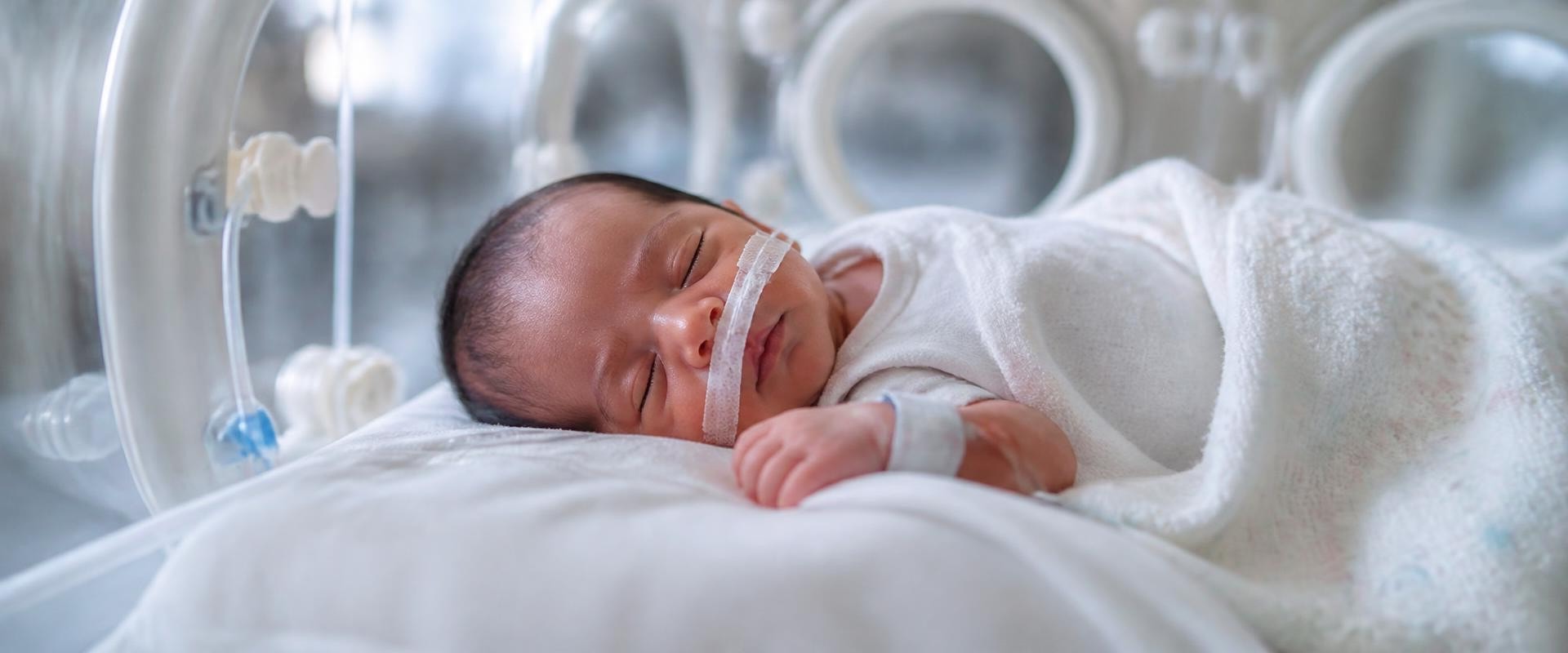
Hypoxic-ischemic encephalopathy, commonly called HIE, is a serious brain injury that can occur when a newborn experiences reduced oxygen and blood circulation around the time of delivery. The condition may affect brain development, movement, learning, and other essential functions.
An HIE diagnosis can leave parents facing difficult questions about their child's health, future needs, and the events surrounding childbirth. Although some babies recover with few lasting problems, others require years of medical treatment and developmental support.
Understanding how HIE develops, how physicians recognize it, and which treatments are available can help families make informed decisions.
How oxygen deprivation affects a newborn's brain
The developing brain depends on a steady supply of oxygen and nutrients carried through the bloodstream. When that supply becomes restricted, brain cells may begin to lose their ability to function normally.
Hypoxia refers to inadequate oxygen, while ischemia describes reduced blood flow. When both conditions affect the brain, the resulting injury may cause neonatal encephalopathy.
Brain damage can continue developing after oxygen circulation has been restored. This delayed injury process helps explain why prompt medical treatment is essential.
Common causes of HIE during childbirth
Several pregnancy and delivery complications may interrupt oxygen delivery to the baby. Umbilical cord compression, placental separation, uterine rupture, and serious maternal bleeding are recognized examples.
Abnormal fetal heart rate patterns may also indicate that the baby is experiencing distress.
Some emergencies develop without warning. Others produce signs that medical professionals can recognize and address before serious harm occurs.
Recognizing symptoms and determining severity
Newborns with HIE may demonstrate poor muscle tone, difficulty breathing, unusual alertness, weak reflexes, or trouble feeding.
More serious cases can involve seizures, reduced responsiveness, and abnormal neurological activity.
Physicians often use the Sarnat classification system to assess injury severity.
Mild HIE generally involves less severe neurological changes. Moderate HIE can produce lethargy, abnormal reflexes, and seizures. Severe HIE may involve major reductions in consciousness and serious breathing difficulties.
The initial classification helps guide treatment, but it cannot predict every child's future development.
How physicians diagnose HIE
Diagnosis typically involves reviewing delivery records, evaluating the newborn's neurological condition, and conducting appropriate medical tests.
Blood gas testing may identify evidence of significant oxygen deprivation. Brain imaging can reveal patterns of injury, while electroencephalography helps detect seizures.
Doctors must also consider other possible explanations for abnormal newborn behavior, including infection, metabolic conditions, and other neurological disorders.
Treatment and long-term recovery
Therapeutic hypothermia is an established treatment for eligible newborns with moderate or severe HIE.
This procedure carefully lowers the baby's body temperature under specialist supervision. For qualifying infants born at or beyond 36 weeks, treatment generally begins within six hours of birth and continues for approximately 72 hours.
Cooling reduces the risk of death or significant developmental impairment, although it cannot guarantee recovery.
Other treatments may include breathing support, seizure management, nutritional assistance, and careful monitoring of organ function.
Children who experience lasting effects may benefit from physical therapy, occupational therapy, speech therapy, and developmental services.
When an HIE injury raises legal concerns
An HIE diagnosis does not automatically establish medical malpractice.
However, families may have questions when fetal distress was not addressed, emergency delivery was delayed, or an eligible newborn did not receive timely evaluation for cooling treatment.
A legal review typically considers whether medical professionals followed accepted standards of care and whether any failure contributed to the injury.
Medical records, fetal monitoring strips, delivery notes, and newborn treatment records can help establish what happened.
Common questions about HIE in newborns
Can a baby recover completely from HIE?
Yes. Some children, particularly those with mild injuries, recover without major long-term disabilities. Outcomes vary according to injury severity and other medical factors.
Does HIE always cause cerebral palsy?
No. Cerebral palsy is one possible outcome, but many children with HIE do not develop it.
Is every HIE injury preventable?
No. Some emergencies occur despite appropriate medical care. Preventability depends on the specific circumstances.
Can parents investigate a possible birth injury?
Yes. Families can request medical records and seek an independent review when they have concerns about delivery or newborn treatment.


