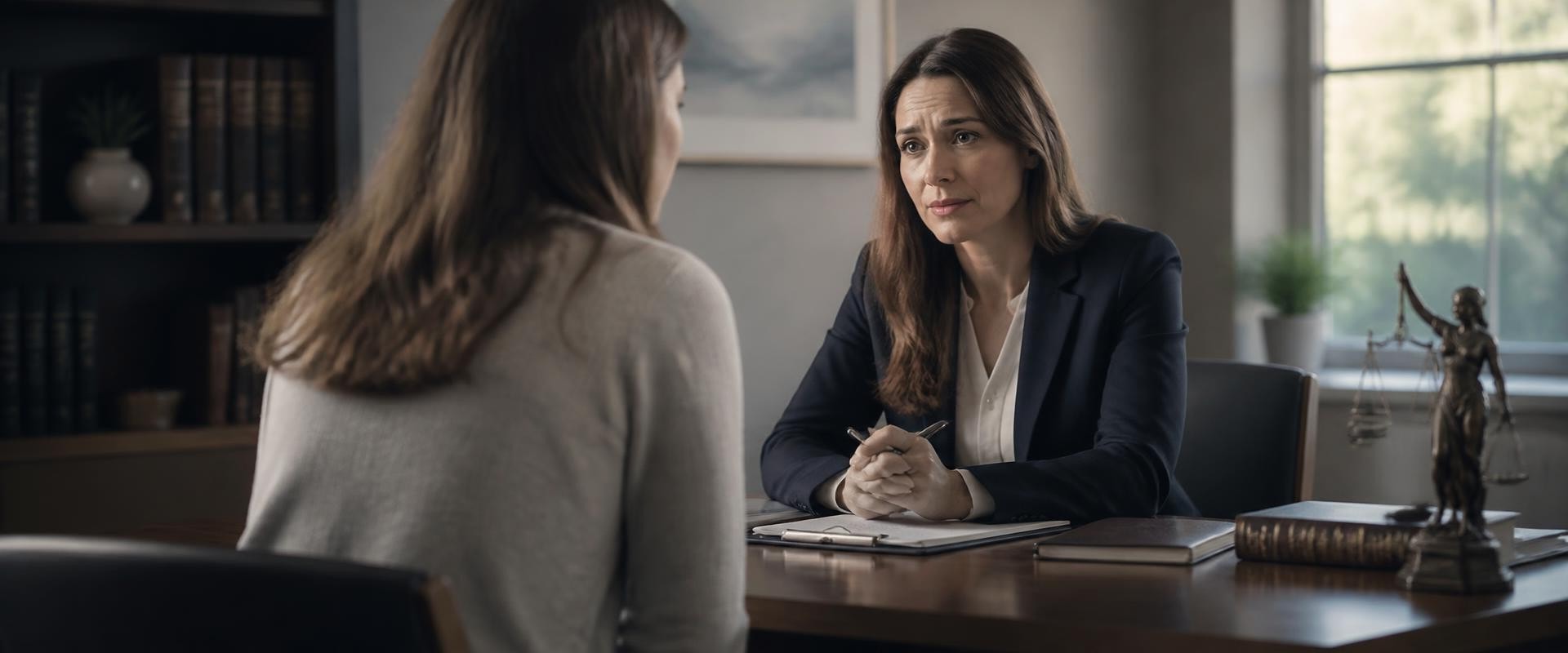
Adults who experienced sexual abuse during childhood may have legal options under Illinois law. Civil claims can address harm caused by an individual and, in some circumstances, failures by institutions responsible for protecting children. Delayed disclosure does not automatically prevent a survivor from exploring a claim.
Childhood sexual abuse can have effects that last well into adulthood. Some survivors experience anxiety, difficulties with trust, depression, or problems maintaining relationships. Others may not recognize the full impact until years later.
Many survivors wonder whether taking legal action is possible after so much time has passed. The answer depends on Illinois law, the circumstances of the abuse, and when the events occurred.
A legal consultation can help survivors understand their rights without requiring them to immediately pursue litigation.
Why childhood sexual abuse claims require careful legal review
Children depend on adults and institutions for protection. When abuse occurs in a school, religious organization, residential program, or childcare setting, several parties may have played a role in creating or allowing unsafe conditions.
Civil claims may focus on the offender's actions and the conduct of people or organizations responsible for supervision.
An institution may face liability if its negligence contributed to the harm. Examples include ignoring credible complaints, failing to conduct reasonable background checks, or allowing known unsafe behavior to continue.
However, proving institutional responsibility requires evidence of a legal duty, a breach of that duty, and a connection between the breach and the injury.
Understanding delayed disclosure
Children often struggle to describe abuse while it is happening.
An offender may use threats, manipulation, shame, or promises of secrecy. Children may also fear losing important relationships or being blamed for the incident.
As adults, survivors sometimes gain the independence and perspective needed to speak about their experiences.
Delayed disclosure is widely recognized as an important issue in childhood sexual abuse cases. It does not, by itself, establish that a claim is valid or invalid.
Courts evaluate the available evidence and applicable legal requirements.
Illinois filing deadlines for childhood abuse
Illinois has special legal provisions concerning certain childhood sexual abuse claims.
The rules can be complex, particularly when an incident occurred before legislative changes took effect.
A survivor's age, the date of the abuse, the identity of the defendant, and other facts may affect the analysis.
Claims involving public institutions can also raise separate procedural questions.
Because the rules are fact-specific, survivors should seek legal guidance rather than rely on a general deadline found online.
Did you know? Illinois has investigated historical institutional abuse
Illinois authorities have examined extensive historical allegations involving children placed under institutional supervision.
The Illinois Attorney General's 2023 investigation into clergy sexual abuse documented widespread abuse and examined how religious institutions handled allegations over several decades.
These findings help explain why institutional records can be important in historical cases.
An individual survivor may have limited personal documentation, yet an organization may still possess employment histories, correspondence, complaint records, or information about earlier investigations.
The existence of such records is not guaranteed. Lawyers may need to use formal legal procedures to determine what evidence remains available.
How civil lawsuits may support survivor accountability
A civil lawsuit can seek financial compensation for legally recognized injuries.
Potential damages may include therapy expenses, medical treatment, lost income, and emotional suffering.
Compensation is not automatic. A survivor must establish the necessary elements of the claim and prove damages under the applicable legal standards.
What evidence can support a historical claim?
Evidence may come from several sources.
A survivor's account can be central to understanding what happened. Other useful information might include school records, letters, journals, counseling records, prior complaints, or witnesses who observed relevant behavior.
Institutional documents may help establish whether administrators received warnings or failed to follow required procedures.
A survivor does not need to personally locate every record before seeking legal advice.
What if the offender has died?
The death of an alleged offender does not necessarily resolve every possible legal question.
Depending on the circumstances, claims against an estate or an institution may need to be considered. Special deadlines and procedural requirements may apply.
A lawyer can evaluate whether any legally viable path remains.
Common questions around childhood sexual abuse lawsuits
Can an adult sue for abuse experienced as a child?
Potentially. Illinois law provides special rules for certain childhood sexual abuse claims, but eligibility depends on the facts and applicable deadlines.
Is a criminal conviction necessary?
No. Civil proceedings have different purposes and standards of proof from criminal cases.
Can family members contact an attorney for a survivor?
Yes. Family members can seek general information. The survivor's wishes, legal capacity, and authority to act must be respected.
Can historical abuse be proven without physical evidence?
Some claims rely on testimony, documents, witnesses, and institutional records. The strength of the evidence varies by case.
Will filing a lawsuit require public testimony?
Not necessarily. Some claims settle, while others involve depositions or trials. Privacy and testimony requirements should be discussed before filing.
For more information, visit: https://survivorsofabuseil.com/


