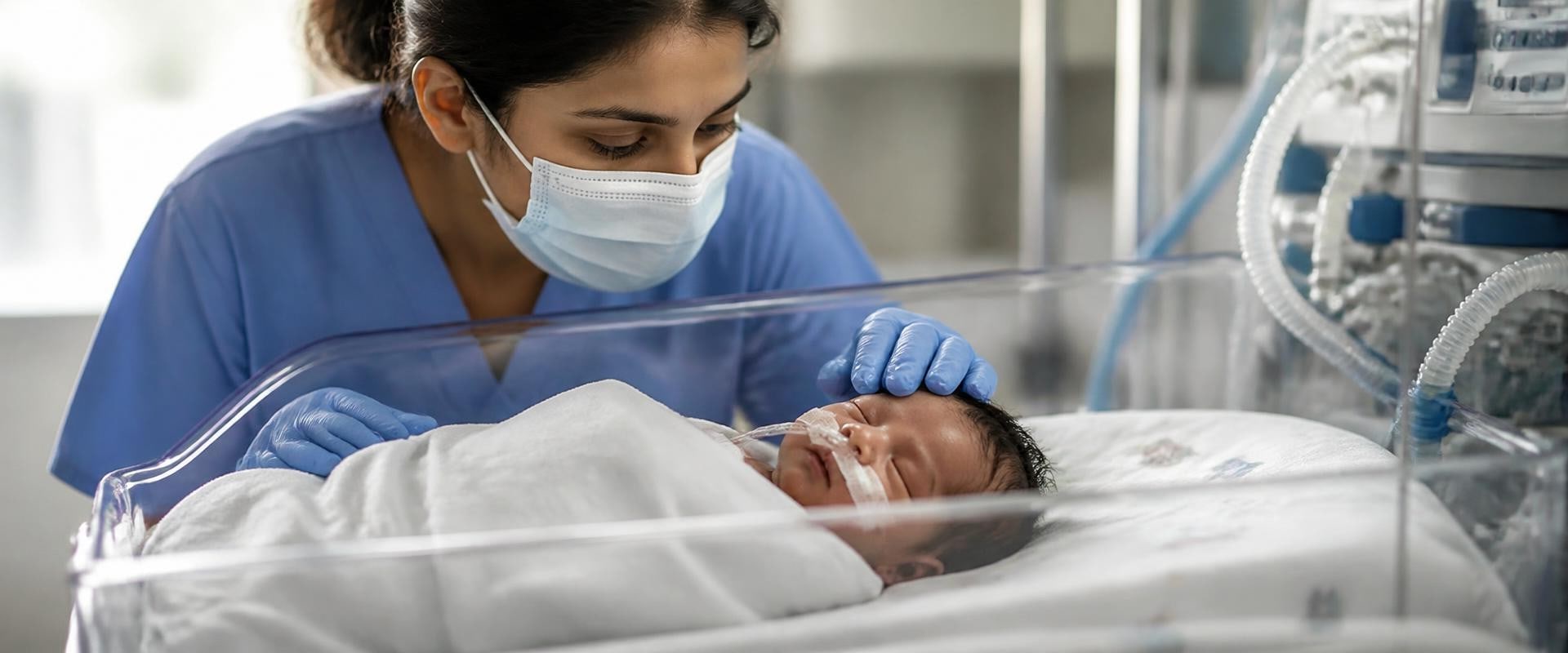
Birth asphyxia occurs when a baby receives insufficient oxygen before, during, or shortly after delivery. Severe oxygen deprivation can interfere with normal brain function and damage other organs. Although some newborns recover completely, prolonged or significant oxygen deprivation may cause permanent neurological complications.
What happens during birth asphyxia?
A developing baby depends on oxygen delivered through the placenta and umbilical cord.
During labor and delivery, this oxygen supply must remain sufficient to support the baby's brain and other vital organs.
Birth asphyxia occurs when normal oxygen delivery or gas exchange becomes seriously disrupted.
As oxygen levels decrease, carbon dioxide may accumulate, and the baby's blood can become increasingly acidic.
This condition may affect the heart, kidneys, lungs, and nervous system.
The severity depends on how significantly oxygen delivery is impaired, how long the disruption continues, and how effectively the baby receives treatment.
A brief interruption does not necessarily cause lasting injury.
However, severe oxygen deprivation can result in neurological damage requiring long-term medical care.
Common causes of birth asphyxia
Several pregnancy and childbirth complications can interfere with a baby's oxygen supply.
Umbilical cord compression may reduce blood flow between the placenta and the fetus.
Cord prolapse is another serious complication. It occurs when the umbilical cord descends ahead of the baby and becomes compressed during delivery.
Placental abruption can also cause oxygen deprivation when the placenta separates prematurely from the uterine wall.
Other possible causes include uterine rupture, serious maternal blood pressure problems, and prolonged or obstructed labor.
Certain emergencies develop unexpectedly, while others may produce warning signs before significant injury occurs.
Healthcare professionals must evaluate these situations and respond according to the clinical circumstances.
Recognizing symptoms after delivery
Babies affected by significant birth asphyxia may have difficulty breathing immediately after birth.
Some do not cry spontaneously or require assistance to establish effective breathing.
Other signs include an unusually slow heart rate, weak reflexes, poor muscle tone, or reduced responsiveness.
A newborn may appear pale or bluish, although skin color alone cannot establish oxygen deprivation.
More serious cases can involve seizures, feeding difficulties, or abnormal neurological activity.
These symptoms require immediate medical evaluation.
Doctors consider several findings together rather than relying on a single symptom.
How birth asphyxia is diagnosed
Healthcare professionals may evaluate a newborn's Apgar scores, blood gas measurements, breathing, heart rate, and neurological condition.
The Apgar score assesses five aspects of newborn health shortly after delivery.
These include heart rate, respiratory effort, muscle tone, reflex response, and skin color.
Low scores may indicate that a baby needs medical support, but they do not independently establish birth asphyxia.
Umbilical cord blood gas testing provides additional information.
A low blood pH and significant metabolic acidosis can support evidence of impaired oxygen delivery.
Doctors interpret these results alongside the baby's clinical course.
Treatment and recovery
The immediate priority is to establish effective breathing and circulation.
Newborn resuscitation may involve stimulation, assisted ventilation, and additional interventions when necessary.
Babies with suspected brain injury require neurological assessment and monitoring.
Some newborns develop hypoxic-ischemic encephalopathy, a condition involving brain dysfunction associated with inadequate oxygen and blood flow.
Eligible infants with moderate or severe HIE may benefit from therapeutic hypothermia, also called cooling therapy.
This treatment is generally started within six hours after birth under specialized medical supervision.
Recovery depends on the severity of the injury and the baby's response to treatment.
Common questions around birth asphyxia
Can a newborn recover completely from birth asphyxia?
Yes. Some babies recover without permanent complications, particularly when oxygen deprivation is brief or limited.
Does birth asphyxia always cause brain damage?
No. Permanent injury is not inevitable.
Can birth asphyxia be prevented?
Some cases may be prevented through appropriate monitoring and timely intervention, while others occur despite proper medical care.


